What Is a Bonded Warehouse?
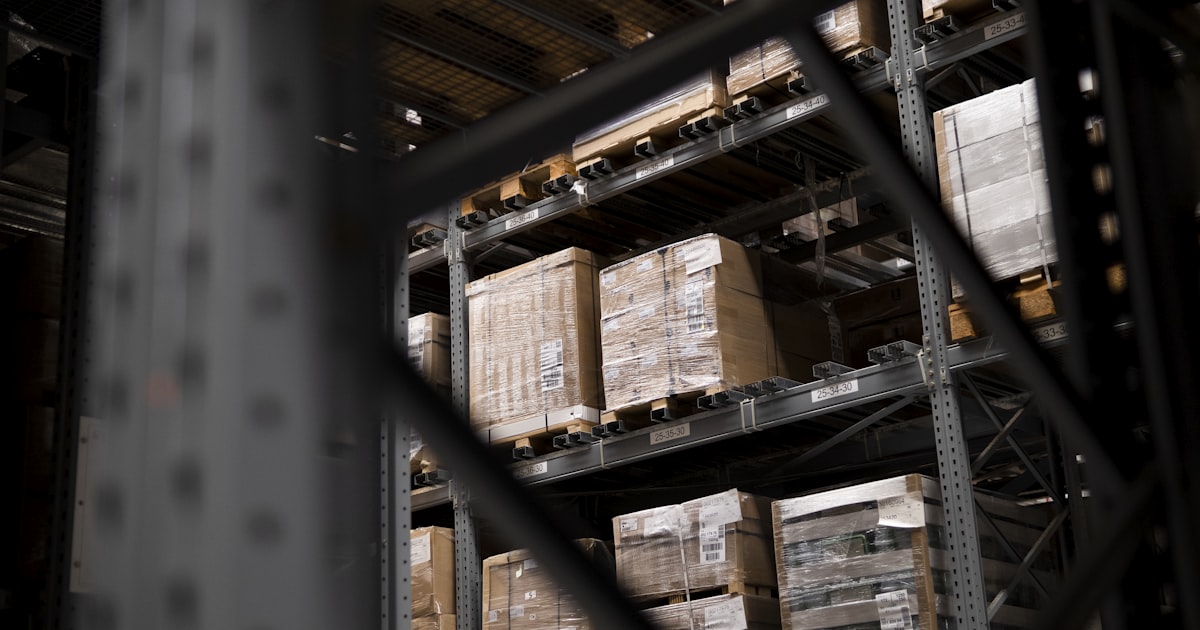
A bonded warehouse — formally known as a customs warehouse under EU customs law — is a secure, customs-approved storage facility where non-EU goods can be held under customs supervision without the immediate payment of import duties and VAT. The goods are said to be "in bond," meaning they are under the control of Cyprus Customs & Excise until you decide what to do with them.
Bonded warehouses are governed by the Union Customs Code (UCC) and are widely used at Limassol Port — Cyprus's main port of entry — by importers, distributors, and freight forwarders who need flexibility in managing their supply chains.
The key principle is simple: duties and VAT are suspended for as long as the goods remain in the warehouse. You only pay when you release the goods into free circulation in Cyprus (or the EU), or you can re-export them without paying any duties at all.
How Customs Warehousing Works in Cyprus
When a shipment arrives at Limassol Port from a non-EU country, the importer normally has two choices: clear the goods immediately (paying duties and VAT) or place them under a customs procedure that suspends those charges. Customs warehousing is one of those suspension procedures.
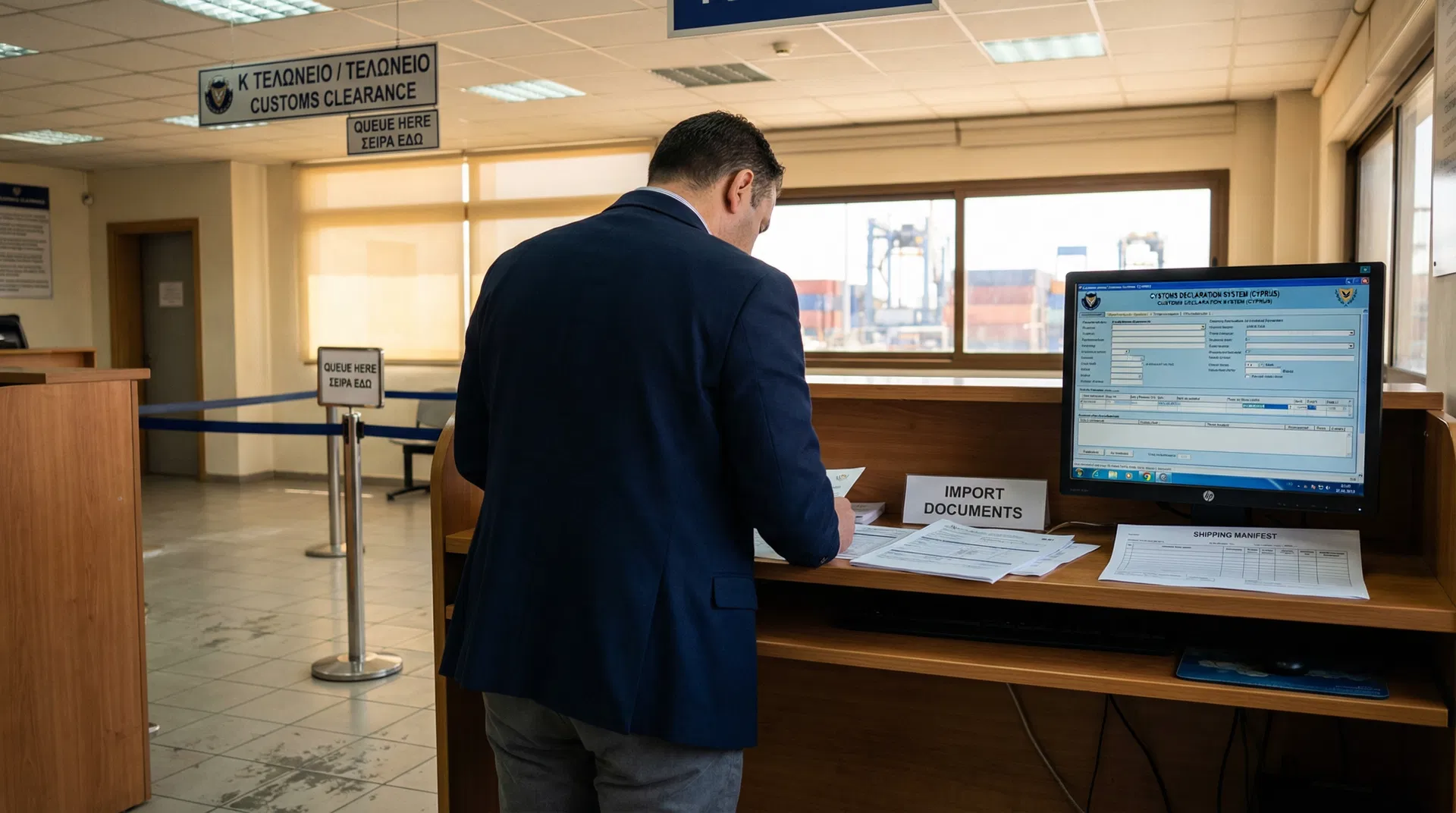
To place goods in a bonded warehouse, your licensed customs broker in Cyprus submits a customs declaration placing the goods under the customs warehousing procedure. The goods are then transferred to the approved warehouse, where they can be stored, inspected, repacked, or processed (under certain conditions) until you are ready to release them.
Cyprus Customs maintains oversight throughout — the warehouse operator keeps detailed stock records, and periodic audits verify that all goods are accounted for.
Types of Customs Warehouses
Under EU customs law, there are two main types of customs warehouse:
- Public Warehouse (Type I or II) — operated by a warehouse keeper for use by any importer. Common at ports and logistics hubs. You apply for authorisation to store your goods there.
- Private Warehouse (Type I or II) — operated exclusively by the importer for their own goods. Requires a separate authorisation from Cyprus Customs and is typically used by larger businesses with regular import volumes.
Most importers at Limassol Port use public customs warehouses, which are managed by authorised operators and available without the need for your own customs warehouse authorisation.
Who Can Use a Bonded Warehouse?
Any business or individual importing non-EU goods into Cyprus can use a bonded warehouse. It is particularly valuable for:
- Distributors and wholesalers who import large quantities and release stock gradually as orders come in
- Importers who re-export part of their stock — avoiding duties on goods that never enter the EU market
- Businesses managing cash flow — deferring duty payments until goods are actually sold
- Seasonal importers who need to build stock before a peak season without paying duties months in advance
- Importers of goods subject to anti-dumping duties who want to assess the situation before committing to payment
Key Advantages of Customs Warehousing
Deferred Duty & VAT
Pay import duties and VAT only when you release goods for sale — not when they arrive. This can significantly improve cash flow for businesses with large import volumes.
Re-export Without Duty
Goods that are re-exported from the bonded warehouse to a non-EU country never incur import duties or VAT. Ideal for transit trade and distribution hubs.
Flexible Release
Release goods in batches as needed — paying duties only on the quantity you release each time, rather than on the entire consignment at once.
Usual Forms of Handling
Under certain conditions, goods in a customs warehouse can be repacked, relabelled, sorted, or otherwise processed — adding value before release without losing the duty-suspension benefit.
The Process: Step by Step
- Goods arrive at Limassol Port — your customs agent is notified and prepares the documentation
- Customs declaration submitted — placing the goods under the customs warehousing procedure (procedure code 71 in the AIS system)
- Goods transferred to the bonded warehouse — the warehouse operator records them in the stock register
- Goods stored duty-free — for as long as needed, under customs supervision
- Release decision made — you instruct your customs agent to release all or part of the stock
- Import declaration submitted — duties and VAT calculated and paid on the released quantity
- Goods released for delivery — cleared and available for distribution
Releasing Goods from the Warehouse
When you are ready to release goods from the bonded warehouse, your customs agent submits a standard import declaration (placing the goods under "release for free circulation"). Duties and VAT are calculated at the rates applicable on the date of release — not the date of original import. This is an important point: if duty rates change while goods are in the warehouse, the rate applicable at the time of release applies.
Alternatively, goods can be:
- Re-exported to a non-EU country — no duties payable
- Transferred to another customs procedure (e.g., inward processing, temporary admission)
- Destroyed under customs supervision — no duties payable on destroyed goods
Need Bonded Warehouse Assistance in Cyprus?
P.Panagi & Sons Ltd can advise you on customs warehousing options at Limassol Port, handle the customs declarations, and coordinate with warehouse operators on your behalf. Contact us for a consultation.
Frequently Asked Questions
What is a bonded warehouse in Cyprus?
A bonded warehouse (customs warehouse) in Cyprus is a secure facility where non-EU goods can be stored under customs supervision without paying import duties or VAT until the goods are released for free circulation, re-exported, or placed under another customs procedure.
How long can goods be stored in a bonded warehouse in Cyprus?
There is no fixed time limit for storing goods in a customs warehouse in Cyprus under EU customs law. Goods can remain in the warehouse until you are ready to release them, re-export them, or place them under another procedure. However, the warehouse operator may have their own storage terms and fees.
Do I need a licence to use a bonded warehouse?
You do not need your own licence to store goods in a public customs warehouse — the warehouse operator holds the authorisation. You simply need a licensed customs agent to submit the customs warehousing declaration on your behalf. If you want to operate your own private customs warehouse, you would need to apply for authorisation from Cyprus Customs & Excise.
What are the costs of using a bonded warehouse?
Costs typically include: warehouse storage fees (charged by the warehouse operator, usually per pallet or per day), customs agent fees for submitting the warehousing and release declarations, and any handling or processing fees. The main financial benefit is the deferral of import duties and VAT, which can be substantial for high-value or high-duty goods.
Can I process or repack goods in a bonded warehouse?
Yes, under EU customs law, "usual forms of handling" are permitted in customs warehouses. These include repacking, sorting, relabelling, and simple processing operations. More complex processing may require a separate inward processing authorisation. Your customs agent can advise on what is permitted.